
The Small BMP That Carries More Weight Than You Think
Not all BMPs get the spotlight. Industrial wattles are one of those things that tend to get tossed on a site, checked off a list, and forgotten about until there’s a storm. Then suddenly, they matter a lot. The truth is, wattles can either quietly do their job… or quietly fail. And most of that comes down to what you’re using and how it’s set up.
What Are We Talking About?
Standard vs. Industrial Wattles
This is where a lot of facilities run into issues. Standard wattles break down fast, shift during storms, and lose effectiveness in active environments. They weren’t built for heavy flow, repeated use, or real-world industrial conditions. Industrial wattles are. They’re designed to hold up, stay in place, and actually perform when runoff starts moving with some force behind it.
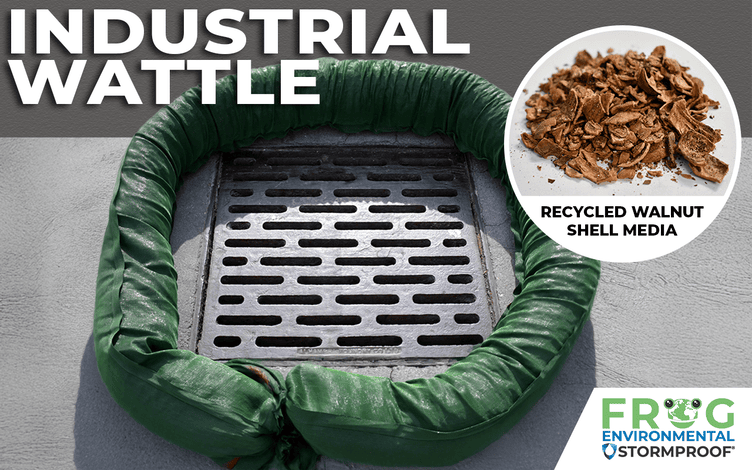
What Makes Our Industrial Wattle Different
- Controls sediment effectively by slowing flow and allowing solids to settle before water exits the site
- UV-protected for durability, so it holds up for years instead of breaking down after a season
- Polymer casing allows water through while trapping contaminants, so you’re filtering, not just redirecting
- Versatile placement across storm drains, downspouts, and runoff pathways
- Supports better sample results by improving water quality and reducing the risk of exceedances
Where It Actually Makes a Difference
- Areas where runoff picks up speed
- Around outdoor material storage or loading zones
- Near storm drain inlets
- Along natural drainage paths across your site
A Quick Reality Check
Most wattle issues aren’t product failures. They’re setup issues.
The fix is not complicated. It just requires a little attention upfront and occasional follow-up.
Want to Take It a Step Further?
FAQs
How is this different from a standard straw wattle?
How long do these last?
With UV protection and proper maintenance, they are designed for multi-year use depending on site conditions.
Do they require maintenance?
Yes, like any BMP. Periodic inspections before and after storm events ensure they remain effective and properly positioned.
Where should they be installed?
Anywhere runoff concentrates. Focus on flow paths, slopes, and areas where pollutants are most likely to be mobilized.
Can they help with compliance?
Yes. By improving sediment control and water quality, they help reduce the risk of exceedances and support overall compliance efforts.